Our purpose, in the wording of the deed
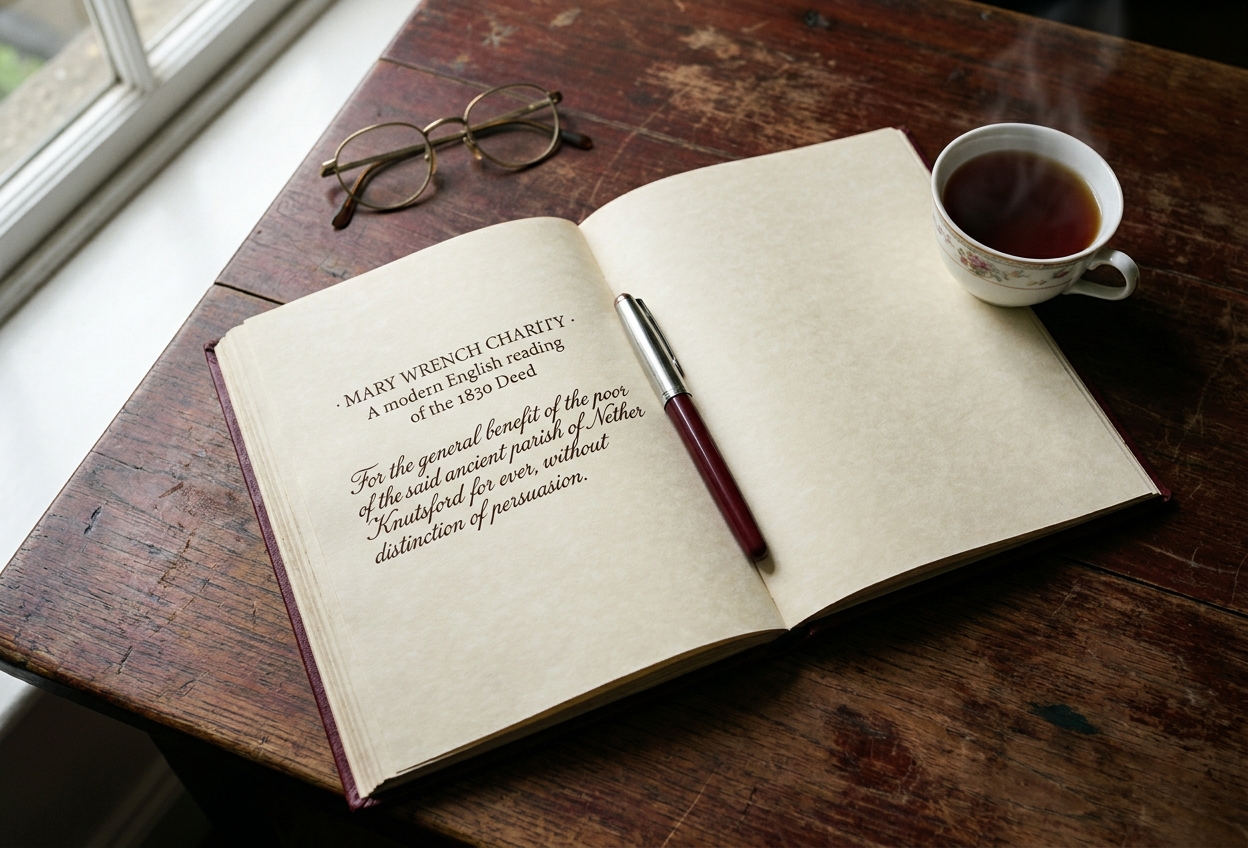
'For the general benefit of the poor of the said ancient parish of Nether Knutsford for ever, without distinction of persuasion.' These are Mary Wrench's words, transcribed from the original deed by an unknown clerk in 1830. We have no other founding charter and have never sought one. The phrase 'without distinction of persuasion' is the line we cherish most — it asks of us a help that does not depend on the recipient sharing our church, our politics, or our manner.
In modern English, the trustees read the deed as committing us to four things: to be present in the parish, to listen first, to give in small quiet sums, and to keep the gift open to anyone within the boundary, of any faith or of none.
'The deed is the deed. The parish is the parish. The pound is the pound.'Trustees' working motto · the parish desk · undated
Our theory of change
A trust the size of ours cannot lift unemployment, mend the housing market or end fuel poverty in Cheshire East. What we can do is interrupt the small slide from one inconvenience into the next — the broken kettle that becomes a broken kitchen routine, the missed bus that becomes a missed appointment, the un-paid fuel meter that becomes a cold week. Mary Wrench, in 1830, almost certainly understood this better than the trustees of today: she chose to put her gift to use against the immediate, not against the structural.
We listen first
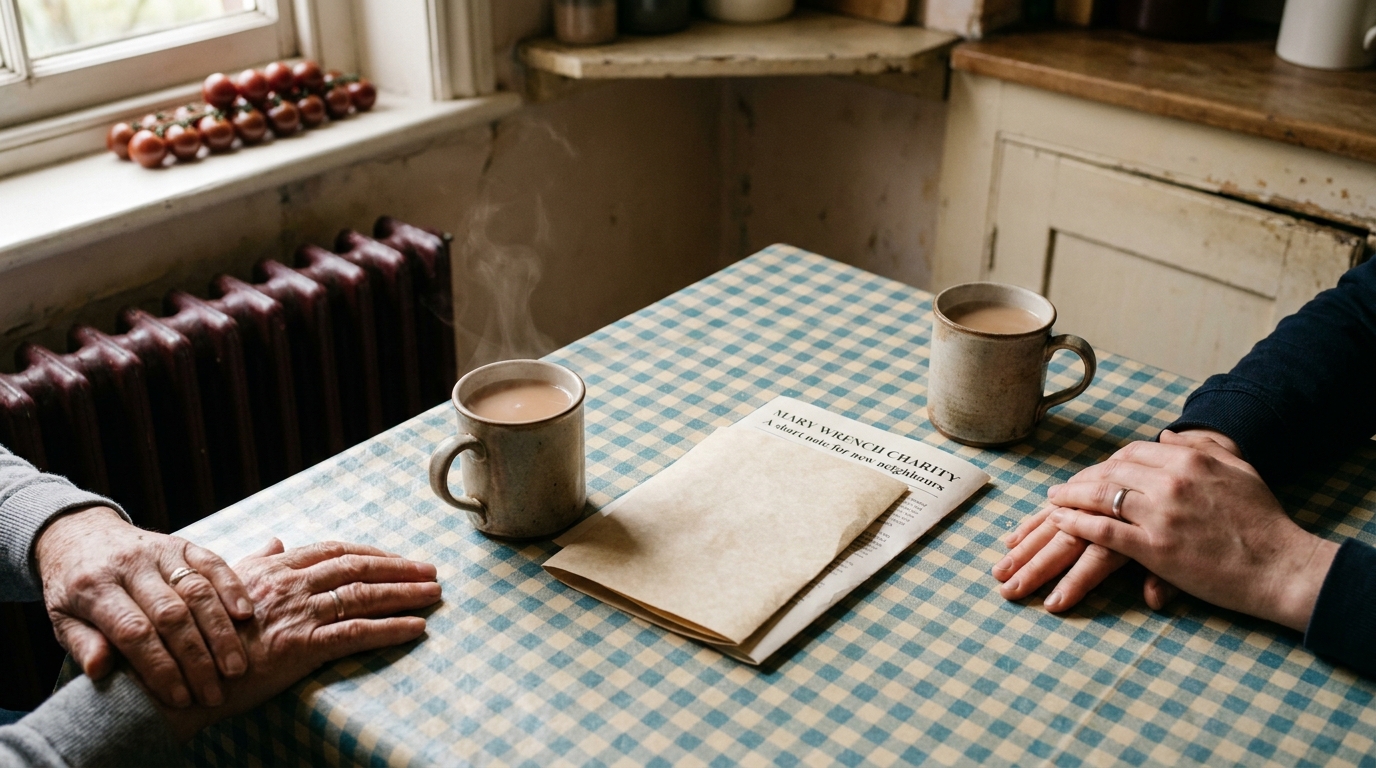
Every grant begins with tea, in a kitchen, with a befriender or a trustee. We try not to decide on the first visit.
We meet, slowly
A small grant is agreed by two trustees over the parish ledger, often within a week, occasionally on the same evening if urgent.
We follow on
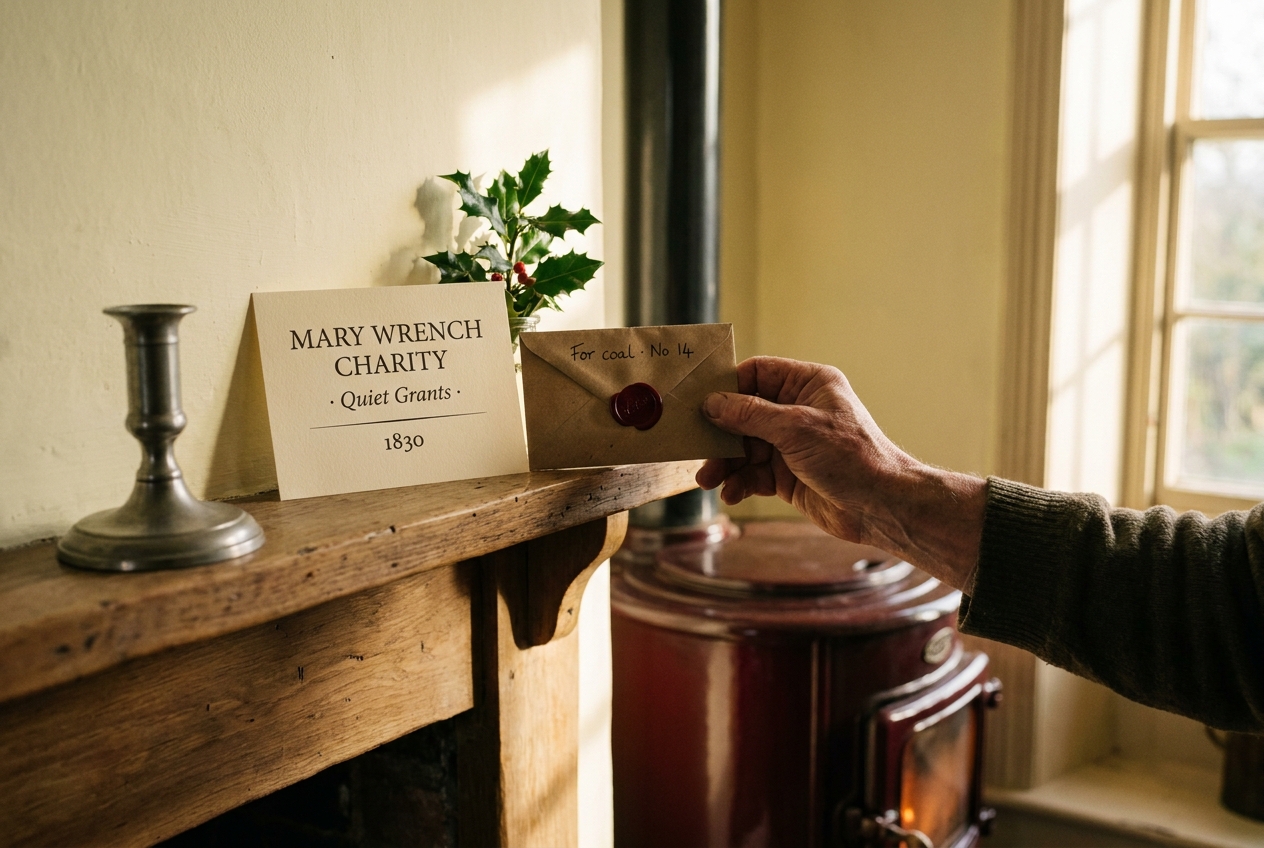
The Sunday Doors round folds the household into the visiting list. Most we know for years; some we never see again.
Five quiet values
- Discretion is part of the gift.We never publish the names of those we help, nor the addresses we visit. The dispatches carry numbers and streets, not names.
- Smallness, on purpose.We rarely give above £400 in a single grant, even when we could. Smallness keeps us close to the kitchen table.
- Walking distance.We work to the parish boundary, not because we lack ambition but because the deed is plain. Help beyond Knutsford must come from other hands.
- No distinction of persuasion.We help anyone within the parish, regardless of faith. The trustees include Anglican clergy; the beneficiaries have, over time, been of every faith and of none.
- Time, more than money.The visits matter more than the grants. The grants are the easy part.
A note from the trustees, written honestly.
We are a small trust, kept by part-time hands. We are not, and have never tried to be, a substitute for statutory help. Twice in recent years — in 2019 and again in 2022 — we were approached by households whose needs were larger and more complex than we could responsibly meet, and we were too slow to say so plainly. In one case, an elderly resident waited three weeks for our reply when she should have been signposted at once to adult social care at Cheshire East. The Sunday Doors round now opens with a written line in our briefing: 'When in doubt, signpost first.'
We also do not do casework. We cannot help with debt advice, immigration paperwork or housing applications. We will sit with you, gladly, while you fill in a form — but the form-filling itself belongs in better-equipped hands.
Where the deed asks us to refuse
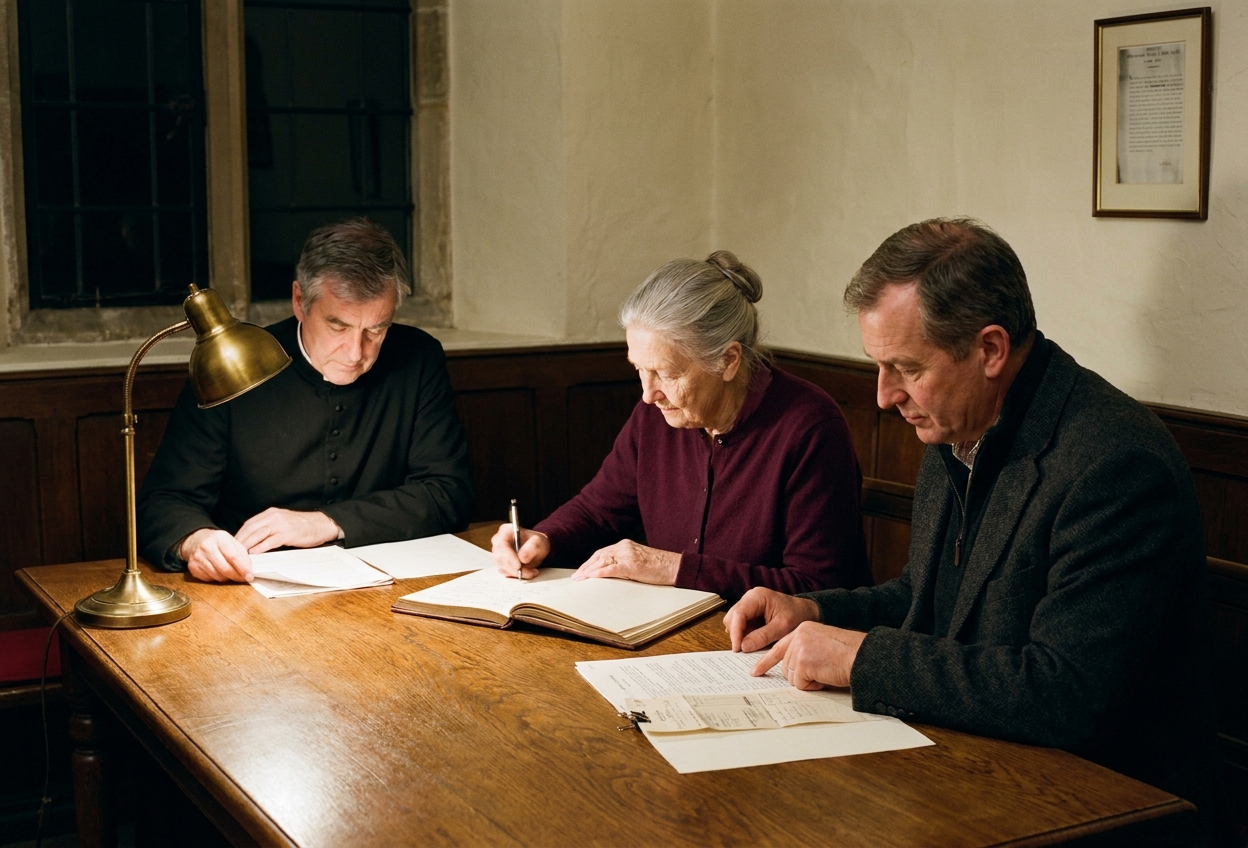
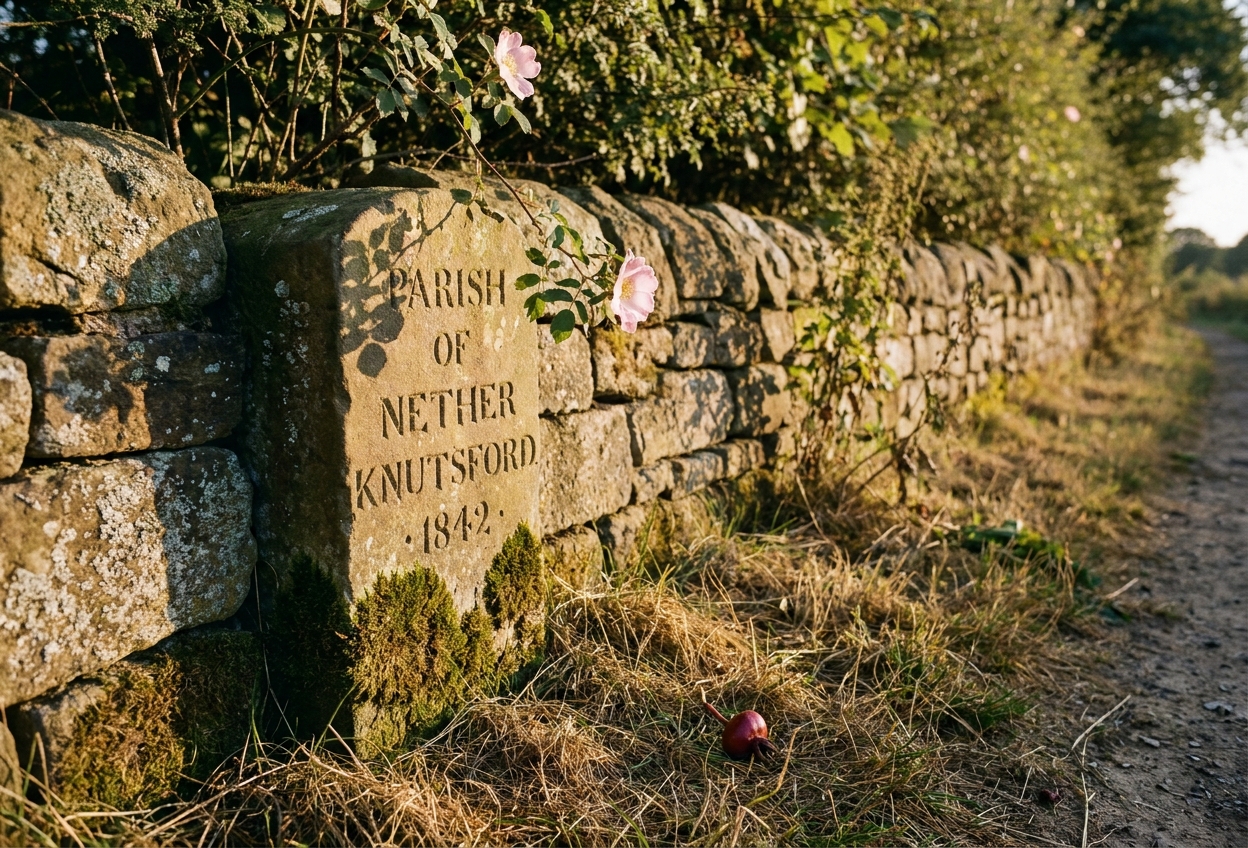
The deed is generous, but it is also bounded. We may not give outside the parish. We may not give grants for political campaigns, religious mission, or commercial ventures. We do not give to organisations as such — only to individuals or, in a small number of cases (the Cranford School Fund being the only standing example), to a parish-bound institution that passes the help on to families. We turn down, on average, two or three requests a year on the basis of the boundary alone, and write to the applicant with a list of the corresponding trusts elsewhere in Cheshire East.
What we are not
We are not a foodbank — the Knutsford and District Foodbank, run separately under the Trussell network, sits across the High Street from St John's, and we direct food-need to them. We are not a hospice or a counselling service. We are not a youth charity, although the Cranford School Fund touches the lives of children indirectly. We are not, despite our age, a heritage organisation: the original deed paperwork is properly housed at the Cheshire Archives and is open to public scrutiny there.
Where we are going
The trustees have, since 2024, been gently widening the visiting round to include households who have been newly housed in the parish. In practice this means three or four extra calls a year for the Sunday Doors befrienders. We do not plan to grow further. The trust's strength, as Mary Wrench almost certainly understood when she signed her deed, is in being small enough to know the kitchens we sit in.